How Currency Selections Unlock Layered Symbol Animations Across Borderless Handheld Reel Networks
Written by Mia Wolf · Sep 22, 2026
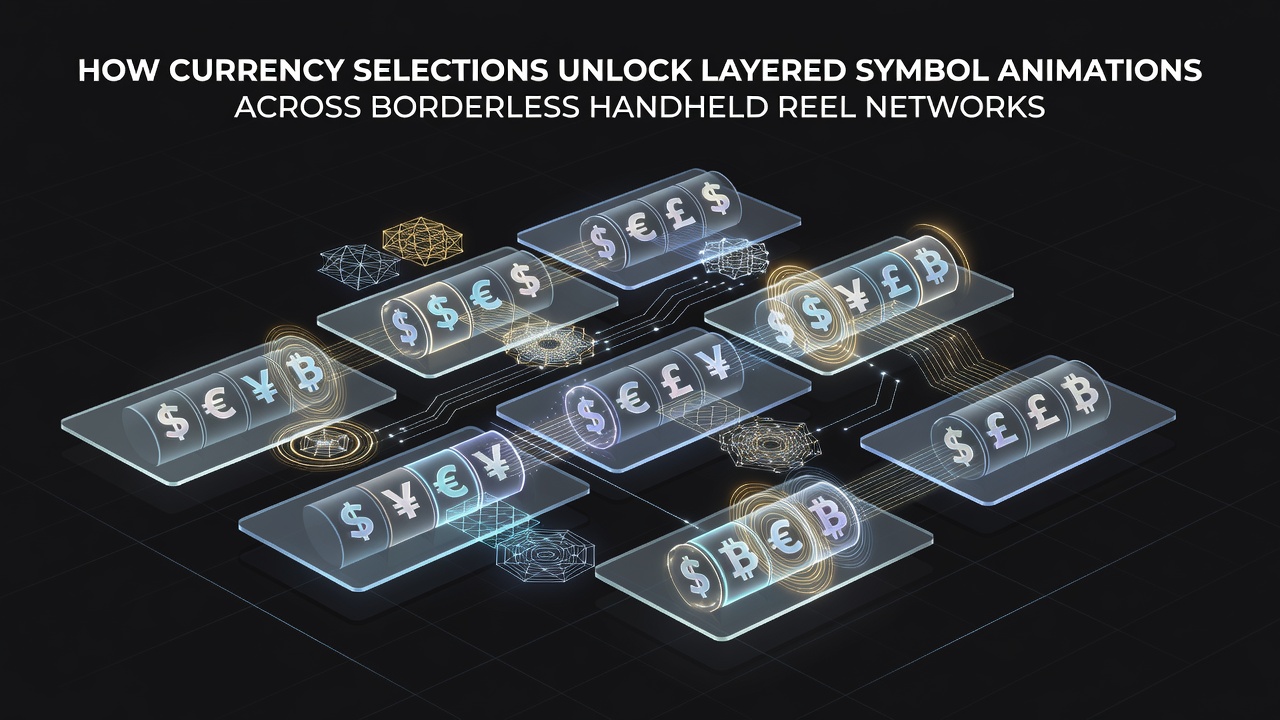
How Currency Selections Unlock Layered Symbol Animations Across Borderless Handheld Reel Networks
Digital reel networks operating across international borders rely on currency selection as a trigger mechanism that activates distinct animation layers within slot interfaces on handheld devices, with data from September 2026 indicating expanded deployment of these systems in mobile wagering applications.
Platform operators configure backend protocols so that a user's chosen denomination, whether fiat or digital asset, determines which symbol sets render first and how subsequent layers stack during reel spins, creating visual sequences unavailable under alternate currency modes.
Technical Framework of Currency-Driven Animation Layers
Handheld reel networks function through distributed servers that detect the currency parameter at the start of each session and map it to specific animation assets stored in regional content delivery nodes, allowing seamless transitions between basic and enhanced symbol behaviors without requiring additional downloads.
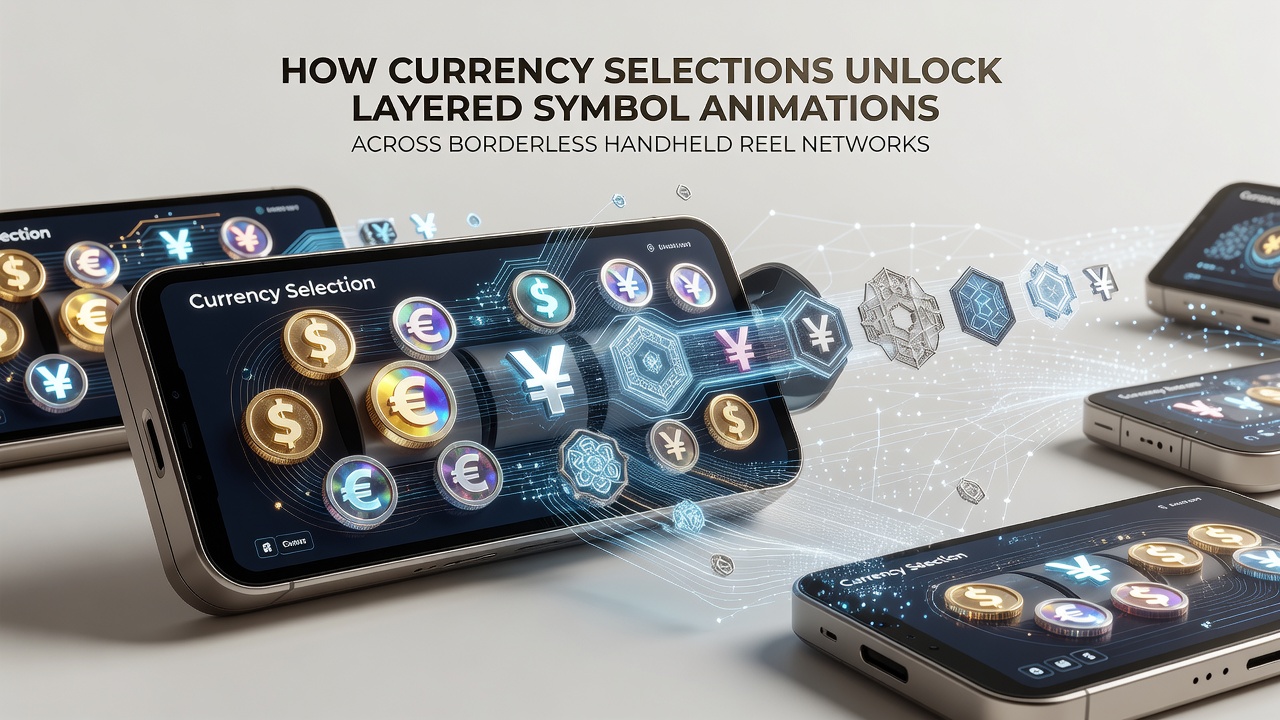
Researchers examining these systems note that selecting euros on European-linked networks often unlocks particle effects and multi-frame symbol expansions, whereas US dollar selections activate alternate color palettes and motion paths on the same underlying reel structure, demonstrating how the initial choice cascades through the rendering pipeline.
Borderless operation means a single application can serve users in multiple jurisdictions by routing the currency signal to the appropriate animation library, reducing latency while maintaining compliance with local display regulations that emerged in updated frameworks during mid-2026.
Integration with Portable Gaming Environments
Portable devices running these networks process currency inputs through secure session tokens that simultaneously influence reward pathways and visual output, creating synchronized experiences where animation complexity scales with the selected currency tier.
One documented case involves multinational wagering applications where users switching from local currency to a cross-border stablecoin observed immediate activation of secondary symbol overlays, including dynamic glow effects and sequential reveal mechanics that remain dormant under standard fiat selections.
Industry reports compiled in September 2026 highlight that such layered animations appear most frequently in networks spanning Asia-Pacific and North American markets, where regulatory bodies including the Nevada Gaming Control Board and Australia's National Broadband Network oversight groups have examined interface consistency across currency options.
Cross-Border Data Flows and Animation Delivery
Transaction preferences transmit alongside currency data to determine eligibility for animation packages, with evidence from platform analytics showing that certain digital ledger selections route users to enhanced visual modules hosted on edge servers closer to their geographic location.
Observers tracking these patterns report that networks prioritize low-latency delivery of layered symbols when users select currencies supported by high-volume settlement rails, resulting in smoother frame rates and more intricate motion sequences during extended play sessions.
Academic studies on mobile gaming infrastructure reveal connections between secure payment gateways and the progressive unlocking of animation depth, particularly in applications designed for continuous international access where users move between regulatory zones.
Operational Patterns Observed in September 2026
Figures released that month show increased adoption of multi-currency interfaces in handheld reel environments, with operators noting higher engagement metrics when animation layers activate based on initial selection rather than post-session upgrades.
Those monitoring the sector point to examples where Canadian and European network operators adjusted their systems to align animation triggers with updated transaction standards, allowing users to experience region-specific symbol behaviors without leaving the core application.
What's notable is the way these mechanisms maintain visual consistency across devices while still permitting currency-specific variations that reflect local market preferences documented in trade association summaries from various global regions.
Conclusion
Currency selections serve as entry points that determine which animation layers become available within borderless handheld reel networks, shaping the visual experience through backend mapping protocols that operate across multiple jurisdictions. Data gathered through September 2026 underscores the growing prevalence of these systems in mobile gaming applications, with technical integrations linking payment choices directly to symbol rendering sequences. Platform architectures continue to evolve around these parameters, supporting varied user interactions while preserving operational efficiency across international boundaries.