Mapping Ties Between Funding Choices and Exclusive Promotion Access in Global App-Based Wagering Systems
Written by Elena Simmons · Nov 3, 2026
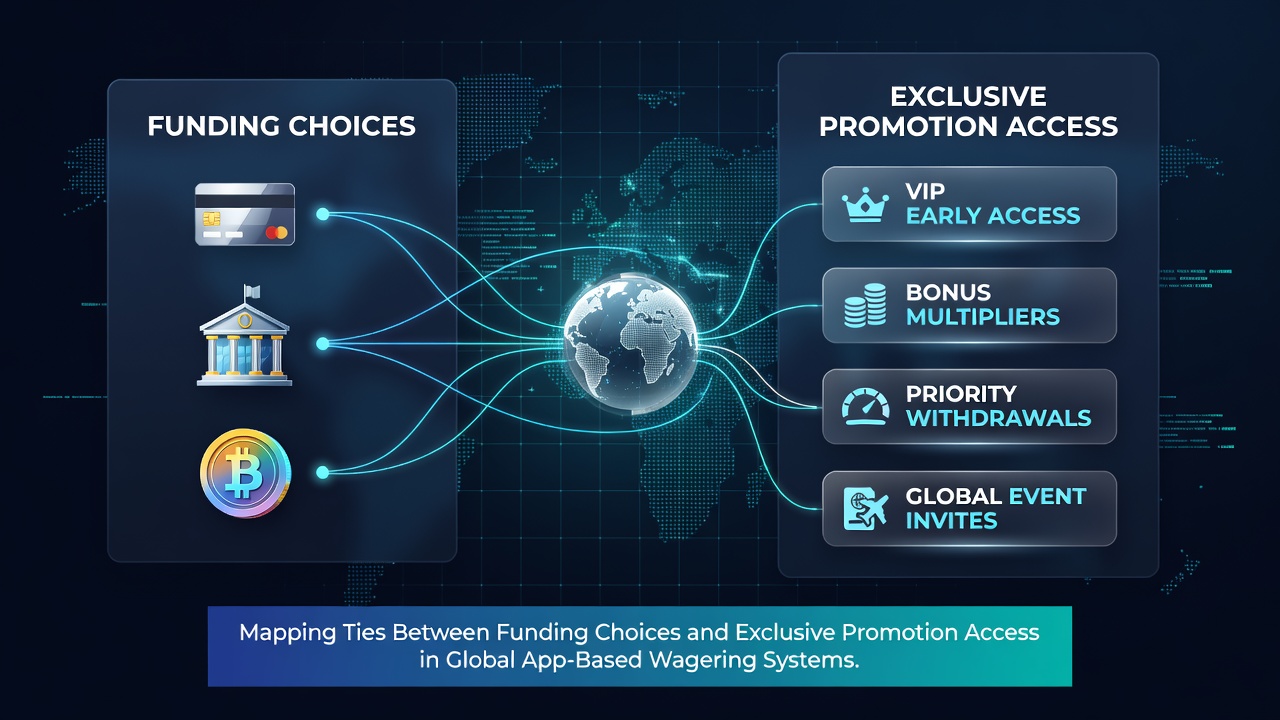
Mapping Ties Between Funding Choices and Exclusive Promotion Access in Global App-Based Wagering Systems
Payment method selection in mobile wagering applications directly influences which promotional layers become available to users across international markets, and data from regulatory filings shows consistent patterns in how funding choices unlock tiered benefits. Observers note that operators structure loyalty frameworks around transaction types because certain methods carry lower processing costs while others signal higher user engagement levels, and this linkage shapes access to exclusive events, custom table limits, and time-limited reward bundles.
Payment Pathways and Tier Eligibility
App-based platforms segment users by funding source, with cryptocurrency deposits often routing participants into accelerated loyalty tracks that grant early entry to private tournaments and personalized bonus structures, whereas traditional bank transfers or card payments frequently land in standard reward queues. Figures from industry analyses reveal that in regions with mature digital betting ecosystems, operators track deposit velocity and method diversity to determine eligibility for invitation-only promotions, and this mapping creates distinct user pathways that persist across multiple sessions.
Those who've examined transaction logs find that e-wallet users receive priority notifications for flash promotions tied to live events, while direct bank integrations sometimes qualify accounts for cumulative spending multipliers that apply only after repeated use. The connections between these choices and promotion access emerge clearly in November 2026 reporting cycles, where platform dashboards display real-time updates on how recent deposits affect standing within reward hierarchies.
Regional Variations in Access Mechanics
European markets demonstrate tight integration between approved payment rails and promotional calendars, with operators aligning funding preferences to local compliance requirements that dictate which users see premium content first. Data indicates similar structuring in North American jurisdictions where state-level rules intersect with app store policies, producing layered access systems that reward method consistency. Australian frameworks add another dimension because operators there link banking verification speed to eligibility for seasonal campaigns, and patterns show faster-verified accounts gaining earlier promotion windows.
One study released by the European Gaming and Betting Association highlights how funding diversification correlates with higher participation rates in exclusive draw events, while EGBA reports track the distribution of reward access across payment categories. Researchers discovered that users combining multiple approved methods often cross into higher tiers sooner than single-method accounts, and this holds across both sports and casino verticals in global app environments.
Transaction Data and Promotion Mapping
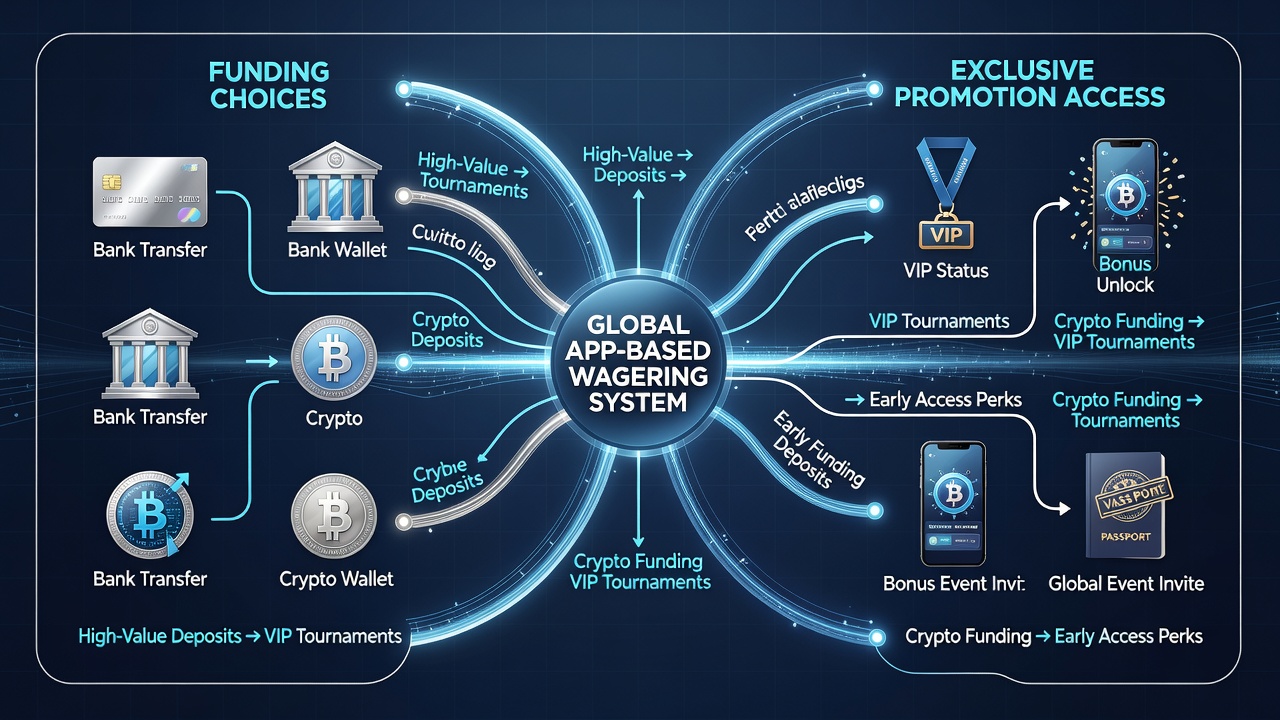
Backend systems log every deposit type alongside subsequent promotion redemptions, allowing operators to refine algorithms that predict which funding choices will trigger automatic upgrades to VIP event lists. Evidence suggests that crypto-linked accounts frequently receive automated invites to limited-seat experiences because transaction finality reduces operational friction, and this efficiency translates into faster reward distribution cycles. In contrast, accounts funded through slower settlement methods accumulate points at different rates that affect promotion timing.
What's interesting is how these mappings extend beyond simple deposit bonuses into access to variant game modes and custom betting interfaces available only after specific payment thresholds. Observers note that November 2026 platform updates introduced refined tracking that surfaces these connections more transparently to users, with dashboards displaying projected promotion eligibility based on recent funding activity. Industry organizations such as the Canadian Gaming Association have documented parallel trends in their member networks, where payment method data feeds directly into loyalty engine outputs.
Future Trajectories in Reward Structures
Continued expansion of app-based wagering means operators will likely deepen the integration between funding options and promotion gates, and current modeling shows increasing granularity in how transaction metadata shapes user segmentation. Academic reviews of digital ledger impacts on gaming access point to ongoing experimentation with dynamic tier adjustments that respond in real time to deposit patterns. Those monitoring regulatory developments across multiple jurisdictions see consistent emphasis on transparent disclosure of these linkages so participants understand how their choices influence available opportunities.
Conclusion
The documented relationships between funding selections and exclusive promotion pathways continue to define competitive positioning among global app operators, with data from diverse regulatory and industry sources confirming measurable effects on user progression through reward systems. As platforms refine these mechanisms through 2026 and beyond, the mapping remains a central operational feature rather than a peripheral detail.