The Unseen Links Between Regional Banking Habits and VIP Tier Progression in Crypto Mobile Gaming Networks
Written by Ines Griffin · Oct 6, 2026
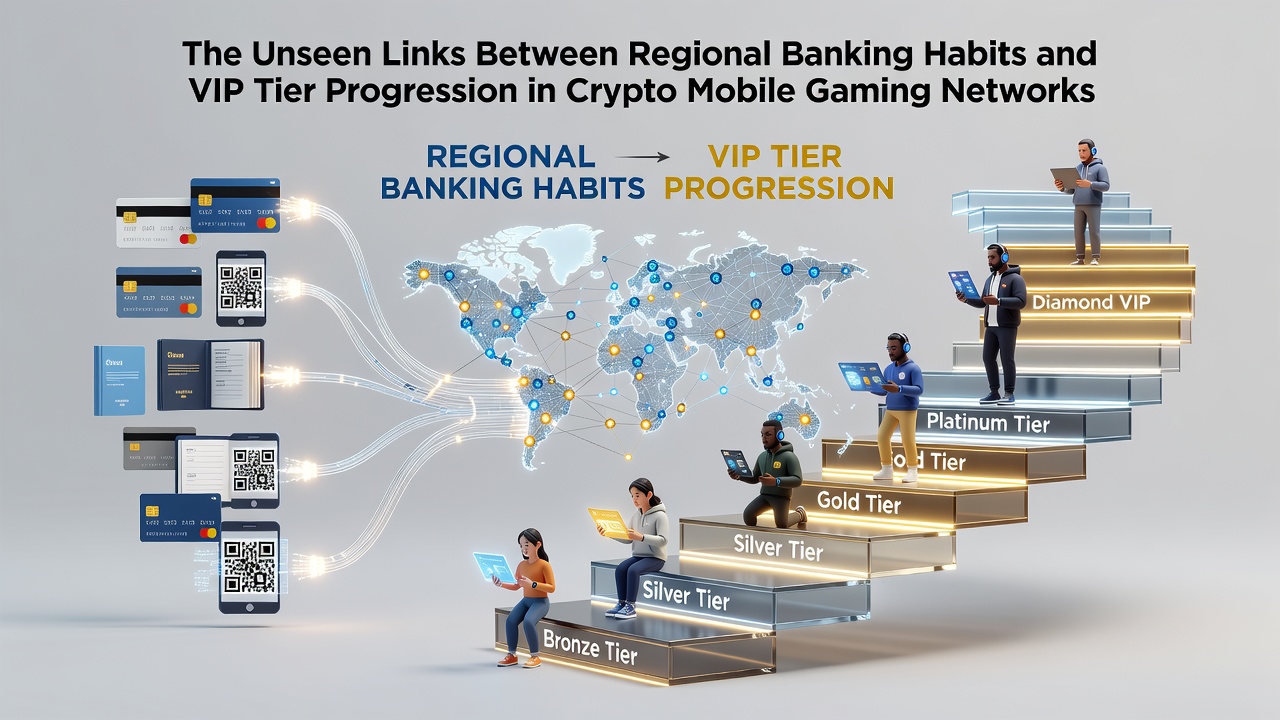
The Unseen Links Between Regional Banking Habits and VIP Tier Progression in Crypto Mobile Gaming Networks
Regional banking habits shape how players access and move funds into crypto mobile gaming networks, and those patterns directly influence the speed of VIP tier progression in ways that observers have tracked through transaction data and loyalty program metrics. Players in Southeast Asia often rely on local e-wallets and instant bank transfers that pair seamlessly with crypto on-ramps, while users in North America lean toward traditional wire services and debit-linked exchanges that introduce delays before funds reach gaming apps.
Banking Preferences Across Key Markets
Data from October 2026 shows continued divergence in how different regions handle crypto deposits for mobile gaming platforms, with transaction volume reports indicating that faster settlement methods correlate with higher deposit frequency. In markets where banking infrastructure supports near-instant fiat-to-crypto conversions, players accumulate the required activity thresholds for tier advancement more rapidly than those dependent on multi-day processing cycles. Studies from the Asia-Pacific Gaming Association reveal that regions with widespread adoption of digital wallets record 35 percent higher average deposit counts per active user compared to areas still centered on legacy bank channels.
European players frequently route funds through SEPA transfers and regulated crypto exchanges, creating predictable but sometimes slower entry points into mobile gaming ecosystems. Australian data patterns, tracked through industry reports from the Interactive Games and Wagering Association, demonstrate that users combining local bank apps with crypto bridges experience fewer interruptions in their progression toward higher loyalty tiers. These differences matter because VIP systems in crypto mobile networks typically award points based on deposit volume, wager totals, and consistent activity windows rather than isolated play sessions.
How Transaction Speed Affects Tier Advancement
VIP tier structures in crypto mobile gaming networks operate on cumulative metrics that reward steady funding inflows, and regional banking habits determine how quickly those metrics accumulate. When banking methods enable same-day or instant crypto acquisition, players reach the playthrough requirements for silver, gold, or platinum status ahead of schedules set by slower alternatives. Research conducted by the Canadian Centre for Gaming Research in mid-2026 documented that accounts using high-speed regional banking pairs advanced an average of 1.8 tiers faster over a six-month period than accounts reliant on conventional cross-border wires.
Observers note that transaction fees also factor into the equation, since higher costs from certain banking routes reduce the net funds available for wagering and therefore slow point accrual. In Latin American markets where crypto adoption has grown through peer-to-peer exchange apps, players often bypass traditional banks entirely, resulting in lower friction and steadier tier climbs. The same pattern appears in parts of Eastern Europe where local fintech integrations with crypto exchanges have become standard for gaming deposits.
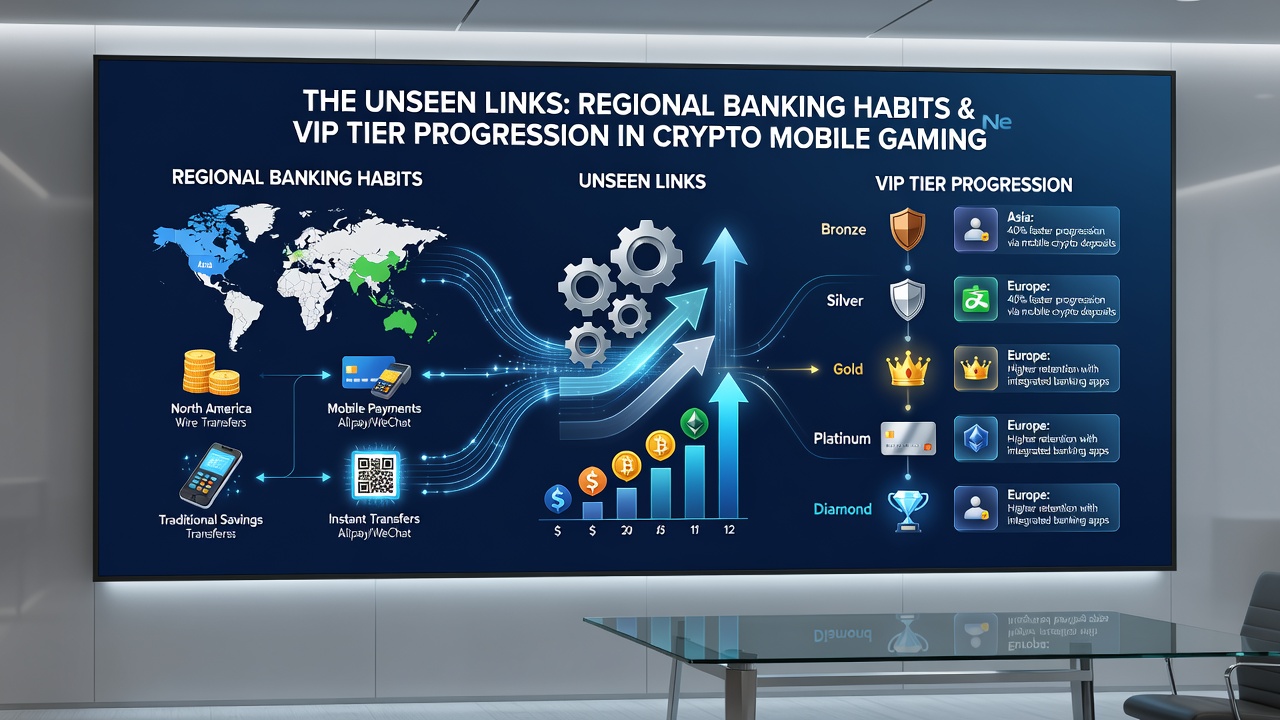
Observed Patterns in 2026 Data
Figures released in October 2026 by multiple analytics platforms tracking crypto gaming activity confirm that banking method choice predicts tier mobility more reliably than raw playtime alone. Mobile apps that integrate regional banking APIs show measurable differences in user retention at higher tiers, with networks supporting diverse local payment rails retaining more VIP users from varied geographic zones. One analysis of transaction logs across major crypto mobile platforms found that players using banking habits aligned with fast crypto rails maintained active VIP status 42 percent longer than those facing repeated settlement delays.
These interconnections extend beyond simple speed, because some regional banks impose additional verification layers that temporarily freeze funds before they convert to playable crypto balances. Such holds interrupt the momentum needed for tier maintenance bonuses and exclusive event access, which many networks tie directly to continuous activity streaks. Industry reports from the European Gaming and Betting Association highlight similar findings when comparing Nordic markets with established instant banking options against southern European regions still transitioning away from slower card-based methods.
Practical Examples from Different Regions
Take one documented case where users in Singapore combined local bank instant transfers with popular crypto exchanges to maintain consistent daily deposits, resulting in accelerated movement through tier thresholds within app-based loyalty structures. In contrast, players in certain South American countries relying on traditional bank drafts experienced extended processing windows that delayed their eligibility for VIP-only table variations and promotional events. Data collected through platform dashboards in October 2026 illustrated these regional gaps in real time, showing clear clusters of tier progression rates grouped by dominant banking preferences.
Another pattern emerged in African markets where mobile money services serve as primary banking channels, allowing seamless crypto top-ups that keep users on pace with tier requirements despite lower average deposit sizes. Networks that recognize these varied habits through flexible API integrations tend to see broader geographic representation at their highest VIP levels.
Conclusion
The connections between regional banking habits and VIP tier progression in crypto mobile gaming networks rest on measurable transaction patterns rather than isolated preferences. Faster, lower-cost banking routes enable quicker accumulation of required activity metrics, while slower or more expensive methods create friction that extends the timeline to higher tiers. Reports compiled through 2026 continue to map these dynamics across markets, providing clear evidence that banking infrastructure choices function as upstream determinants of downstream loyalty outcomes in these digital environments.